
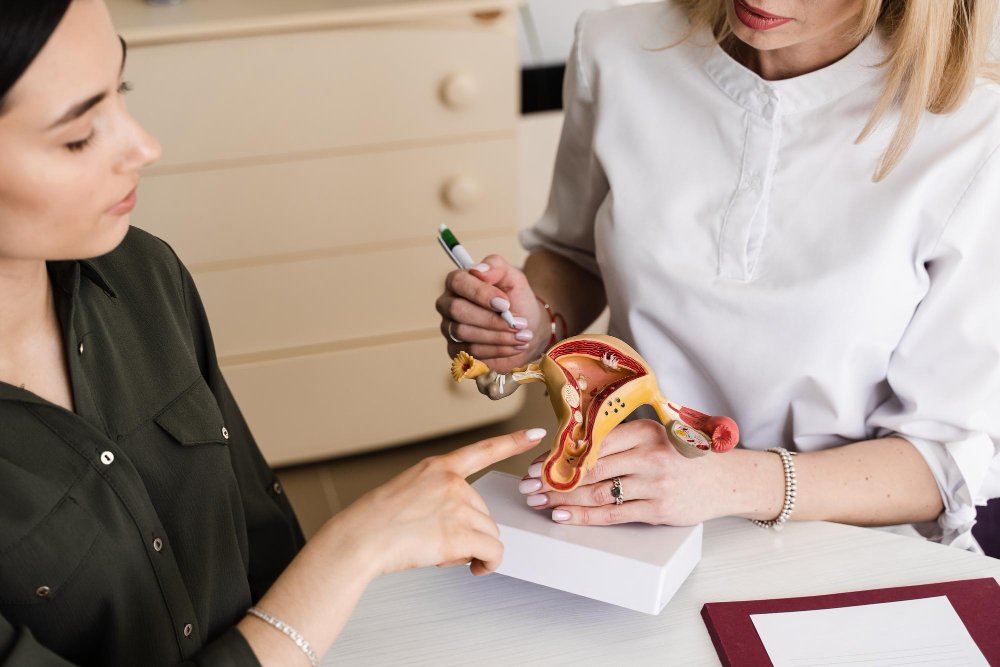
What is Endometriosis?
Endometriosis is a health condition where tissue similar to the lining inside the uterus grows outside it. This tissue can grow on the ovaries, fallopian tubes, or other organs in the pelvis. Because this tissue acts like the normal lining, it can bleed during periods. However, the blood has nowhere to go. As a result, it may cause pain, swelling, and sometimes scar tissue. Endometriosis affects about 1 in 10 women of reproductive age worldwide, according to the World Health Organization (WHO). In some regions, it is more common, but it can affect anyone with a uterus. Early diagnosis and treatment for endometriosis can help improve quality of life.
Common Symptoms of Endometriosis
Many people with endometriosis experience symptoms, but some may not notice any at first. Still, knowing the signs is important. For example, pain is the most common symptom. However, symptoms can vary from person to person. Below are common endometriosis symptoms:Painful periods (cramps that are worse than usual)Pain during or after sexPain when using the bathroom, especially during periodsHeavy menstrual bleeding or bleeding between periodsTiredness or low energyTrouble getting pregnantUpset stomach, bloating, or diarrhea during periods
Sometimes, these symptoms can be confused with other conditions. Therefore, talking to a doctor is important if you notice any of these signs.
Causes and Risk Factors
Doctors do not know the exact endometriosis causes. However, several theories exist. For instance, one idea is that menstrual blood flows backward into the pelvis. Another theory suggests that cells outside the uterus change into endometrial-like cells. Genetics may also play a role, as endometriosis can run in families. In addition, certain risk factors may increase the chance of developing endometriosis:Having a mother or sister with endometriosisStarting periods at a young ageShort menstrual cycles (less than 27 days)Heavy periods that last more than seven daysNever giving birth
While these factors can raise risk, anyone with a uterus can develop endometriosis. Because the causes are not fully understood, more research is ongoing.
How Endometriosis is Diagnosed
Diagnosing endometriosis can take time. Often, symptoms are similar to other health problems. First, a doctor will ask about your symptoms and medical history. Next, a physical exam may be done. Sometimes, imaging tests like ultrasound or MRI help find endometriosis signs. However, these tests cannot always confirm the diagnosis. In many cases, a minor surgery called laparoscopy is needed. During this procedure, a doctor looks inside the pelvis with a small camera. If endometriosis tissue is found, a sample may be taken for testing. Early diagnosis helps with better treatment for endometriosis.
Treatment Options for Endometriosis
Treatment for endometriosis depends on symptoms, age, and plans for having children. While there is no cure, many options can help manage pain and other problems. For example, doctors may suggest:Pain relievers, such as ibuprofenHormone therapy, like birth control pills or hormone injectionsLifestyle changes, including exercise and stress managementSurgery to remove endometriosis tissue if other treatments do not help
Sometimes, a combination of treatments works best. Because each person is different, doctors create a plan that fits individual needs. According to the CDC, early treatment can help prevent long-term problems.
Lifestyle Tips for Managing Endometriosis
Living with endometriosis can be challenging. However, certain lifestyle changes can make a difference. For instance, regular exercise may help reduce pain and boost energy. Eating a balanced diet with plenty of fruits and vegetables can also support overall health. In addition, these tips may help manage endometriosis symptoms:Use a heating pad on your lower belly for crampsPractice relaxation techniques, such as deep breathing or gentle yogaKeep a symptom diary to track what helps or worsens your painGet enough sleep each nightTalk to friends, family, or a support group for emotional help
Because everyone’s experience is unique, it may take time to find what works best for you.
Prevention and Early Detection
Currently, there is no sure way to prevent endometriosis. However, early detection can help manage symptoms and reduce complications. For example, paying attention to changes in your period or pelvic pain is important. If you notice unusual symptoms, see a healthcare provider as soon as possible. In some regions, awareness campaigns help people learn about endometriosis symptoms and when to seek help. While prevention is not always possible, early action can improve outcomes and quality of life.
Book an apppointment now at Matrika Fertility Heritage Hospital |